
- Posted on
- • Finance
The Fragile US-Iran Ceasefire Agreement is Testing Global Limits
- Author
-
-

- User
- iamhamzatahir
- Posts by this author
- Posts by this author
-
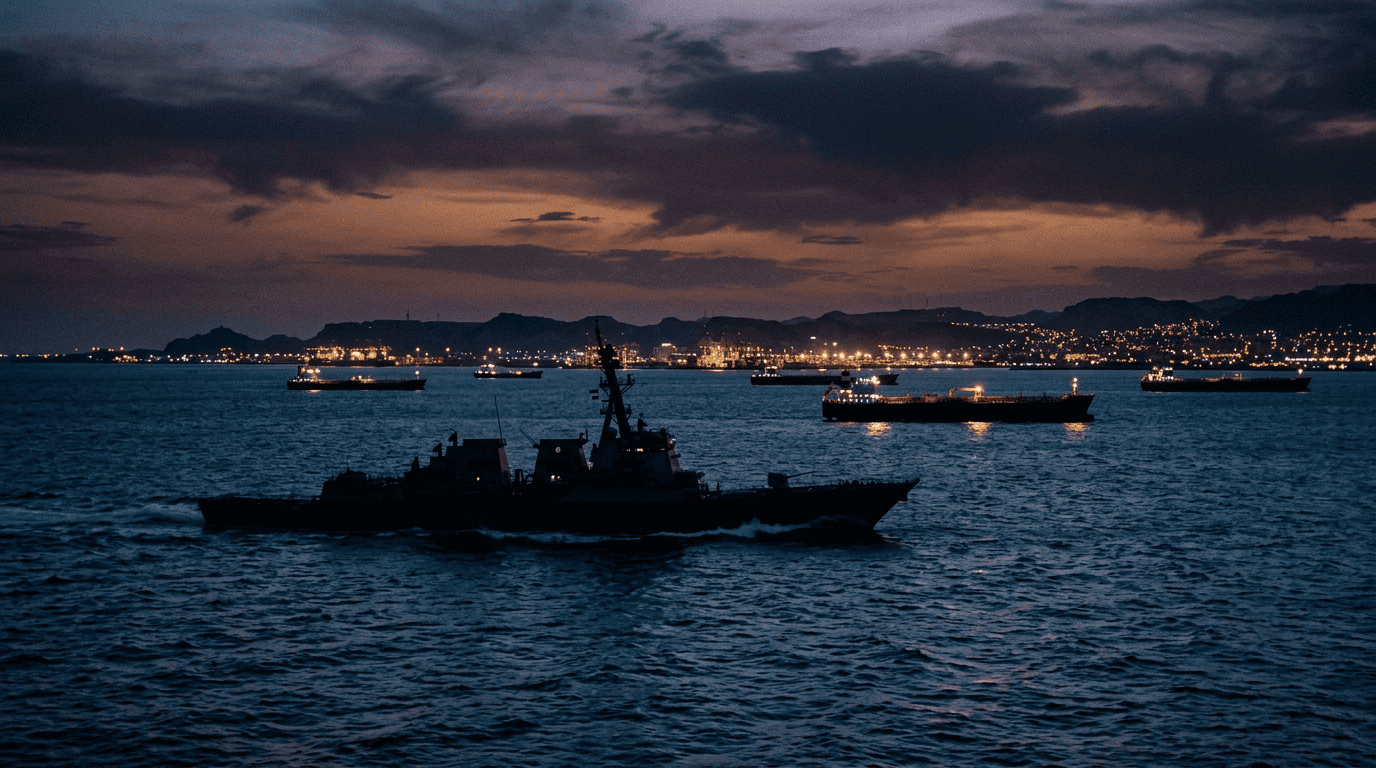
You read the headlines. A ceasefire was signed. Diplomats are shaking hands in Doha. Yet your gas station receipt tells a different story. Shipping lanes remain a total mess. The latest US Iran ceasefire update reveals a glaring disconnect. Diplomatic optimism clashes heavily with ground reality. The world is watching a geopolitical tightrope act. Both sides claim victory while quietly reloading. It feels less like peace and more like a tactical timeout. The global energy markets are holding their breath. Everyone is waiting to see who blinks first.
The latest "stand down" order from Washington and Tehran feels less like a peace treaty and more like two exhausted boxers leaning on each other to keep from falling over. Over the last few days, we've seen a dizzying exchange of fire near the Strait of Hormuz that would, in any other year, signal the start of a total regional war. Instead, both sides are clutching a piece of paper signed in mid-June, insisting that the fragile US-Iran ceasefire agreement is still on track even as the drones continue to fly.
I've watched these "interim" deals play out for a long time. Usually, there's a honeymoon phase. This time? There wasn't even a honeymoon weekend. We are currently in a 60-day window intended to bridge the gap between open hostility and a lasting settlement, but the reality on the water tells a much different story than the briefings in Doha or Washington. When you have a US official saying everyone is standing down while simultaneously reporting drone strikes in Bahrain and Kuwait, you aren't looking at peace. You're looking at a managed crisis that is one wrong move away from a total collapse.
The Three-Route Nightmare for Strait of Hormuz Shipping
The heart of this friction is a narrow stretch of water that carries 20% of the world's oil. The June memorandum of understanding was supposed to reopen the Strait of Hormuz without fees or threats. It sounded great on paper. In practice, it has created a maritime map that looks more like a minefield. Ship operators now have to choose between three distinct paths, and none of them are particularly safe.
- The Iranian Route: Tehran insists that ships follow a path through their northern waters. The catch? Complying with Iranian demands might put these companies in the crosshairs of Western sanctions if the deal falls apart.
- The Central Route: The traditional path used before the war started. It’s currently a ghost town because neither side can guarantee who is actually in charge of the security there.
- The Omani Route: A southern path that hugs the coast of Oman. This is where the US is trying to steer traffic, but Iran has already labeled these "parallel arrangements" as unacceptable.
Imagine you're a captain responsible for a billion-dollar cargo and the lives of twenty crew members. You’re told there’s a ceasefire, yet you see a Singapore-flagged vessel hit by a drone on Thursday and a Panama-flagged tanker targeted on Saturday. It's chaotic. Some ships are keeping their transponders on and hugging the Omani coast, hoping the US Navy's 5th Fleet is close enough to help. Others are rolling the dice with the Iranian route. This isn't how global trade is supposed to function.
Regional Security and the Bahrain-Kuwait Escalation
While the focus remains on the water, the conflict is bleeding into neighboring territories. Over the weekend, the Iranian Revolutionary Guard didn't just target ships; they went after US military infrastructure in Bahrain and Kuwait. In Muharraq, a residential building was heavily damaged. While no lives were lost in that specific strike, a Qatari citizen on a nearby vessel wasn't so lucky, killed by shrapnel from the ongoing "military operations."
This is the part that should keep us up at night. Iran’s Foreign Minister, Abbas Araghchi, is making it clear that Tehran won't tolerate regional states allowing their territory to be used for US strikes. It's a classic squeeze play. Countries like Bahrain and Kuwait, which host American bases, are being told they will "experience hell" if the US continues to respond to Iranian aggression. It’s a deliberate attempt to break the US alliance network in the Gulf by making the cost of hosting American troops too high to bear.
Does that sound like a ceasefire to you? To the Trump administration, it’s a "violation," but they aren't ready to walk away from the table just yet. To the Iranians, it’s a "harsher response" to US interference. We’re essentially watching a war being fought within the margins of a peace deal.
The Lebanon Factor: A War Without a Seat at the Table
We also have to talk about the situation in southern Lebanon. The US-Iran memorandum explicitly calls for the termination of military operations on all fronts, including Lebanon. But there's a massive, glaring hole in that logic: Israel and Hezbollah weren't the ones who signed the deal in Lake Lucerne. While Vice President JD Vance and Iranian negotiators were talking high-level diplomacy, the IDF and Hezbollah were trading fire.
Israel is currently occupying roughly 600 square kilometers of southern Lebanon. They aren't leaving until they feel their northern border is safe. Meanwhile, Iran is insisting that a full Israeli withdrawal is a non-negotiable part of any final deal. We've seen four different agreements regarding Lebanon in June alone, and not one of them has actually stopped the fighting. It’s a grim reminder that you can’t negotiate a regional peace while ignoring the people actually pulling the triggers on the ground.
Oil Prices and the American Consumer
If you're wondering why you should care about a drone strike in a waterway thousands of miles away, look at your local gas station. On Sunday, the national average for a gallon of gas sat at $3.87. That’s down slightly from a month ago, but it’s still 30% higher than it was before this war started. The only reason prices are even this "low" is the hope that this fragile US-Iran ceasefire agreement eventually restores the flow of oil.
Energy markets are famously jittery. Brent crude is hovering around $72 a barrel, which is a far cry from the $126 peak we saw in April. But that stability is an illusion. It relies on the assumption that the Strait of Hormuz will return to its pre-war capacity within 30 days. Experts are already warning that even if the shooting stops today, it will take months to repair damaged infrastructure and clear the mines. We are one major tanker fire away from gas prices jumping back over $4.50, and the Trump administration knows it. The political pressure to keep the oil moving is perhaps the only thing keeping the US at the negotiating table right now.
The Regional And Nuclear Complications
Peace in the Gulf requires quiet in Lebanon. That is the missing piece of this puzzle. Iran demands a full Israeli withdrawal from southern Lebanon. Tehran wants this as a precondition for any final deal. Israel just signed a framework agreement recently. The plan hands over some zones to the Lebanese military. But Hezbollah rejected the pact entirely. Israeli forces continue striking targets near Deir Seryan. Any meaningful US Iran ceasefire update must address this northern front.
The Gulf states are also paying a heavy price for this standoff. Bahrain hosts the US Navy Fifth Fleet. Iranian drones targeted a residential building in Muharraq overnight. The Bahraini Foreign Ministry called it a dangerous escalation. Kuwait also faced repeated missile and drone attacks. These nations didn't ask for this conflict. They're simply hosting American military infrastructure. Now their citizens face the crossfire directly. The regional anger toward Tehran is reaching a boiling point. Egypt and Jordan have also publicly condemned the recent attacks. They are calling for immediate restraint from all involved parties.
Stopping Iran from getting a nuclear weapon remains a primary US goal. Yet hardline Iranian media is pushing a different narrative. A recent commentary in a semi-official news outlet argued for building an atomic bomb. The author claimed nuclear deterrence is the only path to peace. They argued it would create a balance of power. The news agency later walked back the statement. They claimed it was just a user-generated post. But the damage was already done. Trust is completely absent from these negotiations. How can you negotiate in good faith under these conditions?
Diplomacy in the Shadow of Total War
So, where does this leave us? President Trump has been characteristically blunt on social media, warning that the US might "militarily complete the job" and that the Islamic Republic could "no longer exist" if the strikes continue. It’s the kind of rhetoric that makes diplomats wince, but it reflects a genuine frustration. The "patience" the White House is showing isn't infinite.
On the other side, you have elements within Iran—specifically those aligned with the Revolutionary Guard—openly arguing in media outlets like Fars that Iran has no choice but to build a nuclear weapon to ensure "nuclear deterrence." They see the ceasefire not as a path to peace, but as a tactical pause to see if they can get the US to blink. When you have one side threatening total annihilation and the other side floating the idea of an atomic bomb, the "technical talks" in Doha feel a bit like trying to put out a forest fire with a water pistol.
I don't think we’re looking at a peace process. I think we’re looking at a "limbo state." It’s a space where neither side can afford a total war, but neither side is willing to make the concessions necessary for a real peace. Iran wants the US out of the region and the Strait under their exclusive control. The US wants a nuclear-free Iran and open shipping lanes. Those two goals are fundamentally at odds.
The next few weeks will tell the story. If the technical talks on Tuesday can't find a way to unify the shipping routes in the Strait, the chaos will only grow. We might see a world where the three-route system becomes the "new normal," with insurance premiums so high that only the bravest (or most desperate) tankers make the trip.
Peace isn't just the absence of war; it's the presence of a functional system. Right now, the system is broken. We have 60 days to see if the world’s leaders can actually fix it, or if they’re just waiting for the next strike to justify throwing the whole thing away. Are we watching the beginning of a resolution, or just the longest preamble to a bigger war in history? I'd love to hear your thoughts—do you think the current gas prices are worth the risk of this uneasy deal?