
- Posted on
- • Technology
Training AI Robots: The Hidden Human Cost Behind the Hype
- Author
-
-

- User
- iamhamzatahir
- Posts by this author
- Posts by this author
-

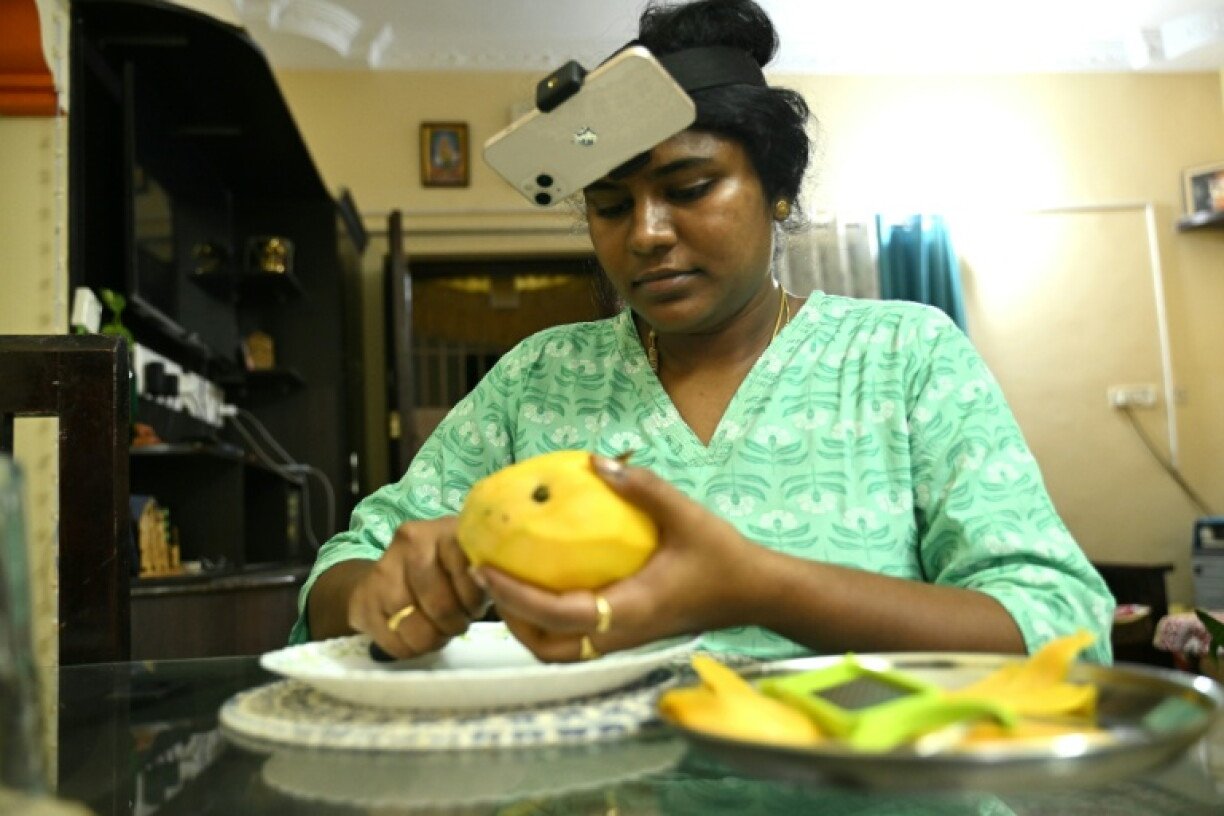
Imagine strapping a smartphone to your forehead just to slice mangoes. It sounds like a bizarre tech experiment, but for thousands of workers in India, it's just another Tuesday. They earn a couple of dollars an hour to film their mundane household chores. Why? Because global tech companies need this exact footage for training AI robots.
These everyday actions—folding towels, making sandwiches, ironing clothes—create what developers call egocentric data. It's the first-person perspective machines need to learn how to move through our physical world. But there is a glaring irony hiding inside this booming industry. The very people building the foundation for tomorrow's automation are the ones most likely to be replaced by it.
The Daily Grind of Training AI Robots
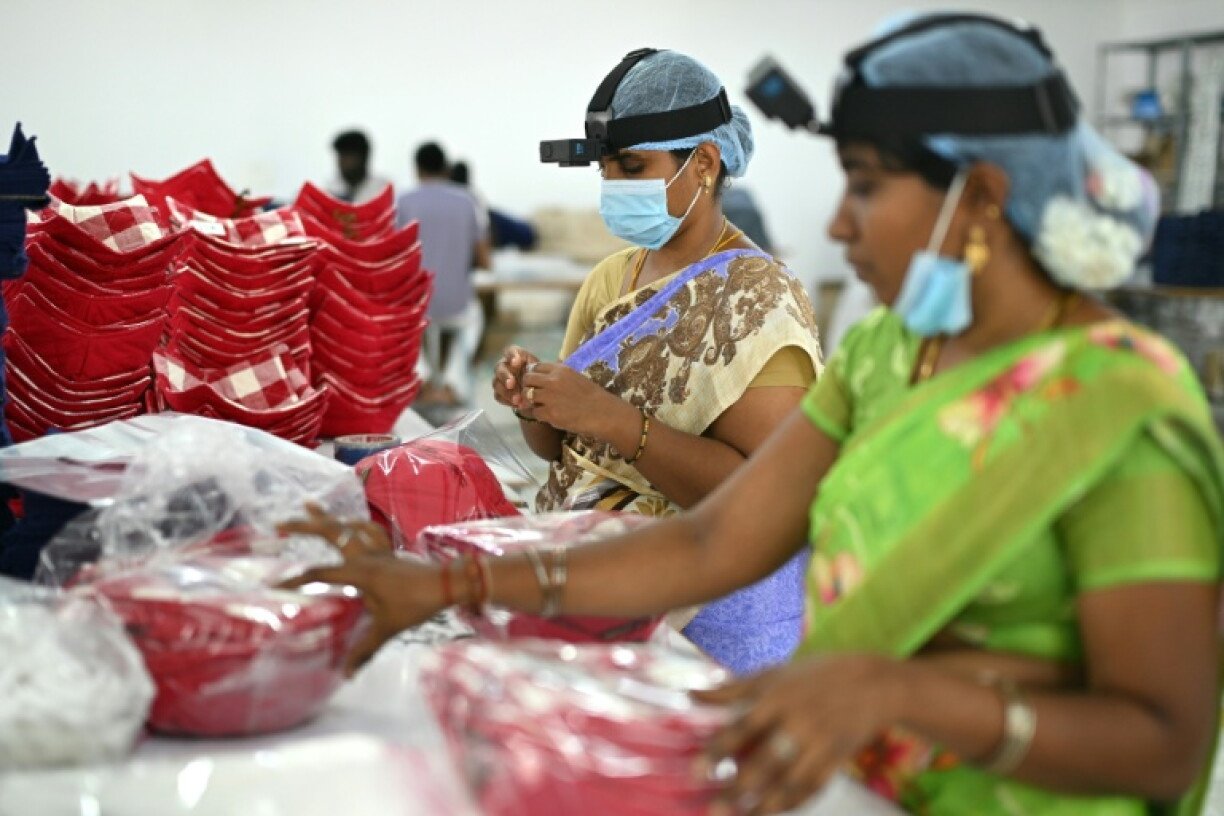
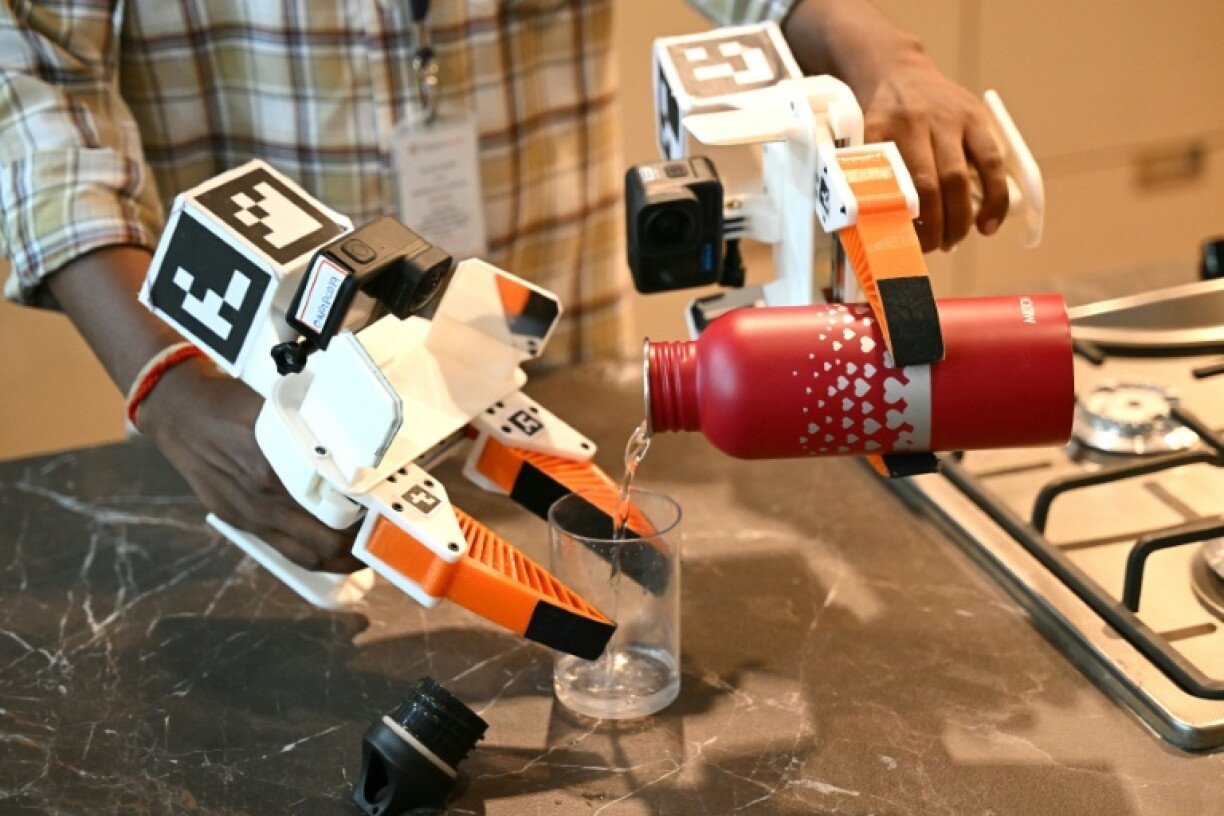
You might picture a sterile Silicon Valley lab when you think of machine learning. The reality looks a lot more like a busy kitchen in Chennai or a textile factory in Karur. Companies like Objectways hire thousands of locals to wear GoPro cameras, smart glasses, and motion sensors.
They record themselves doing basic tasks in mock apartments. A 25-year-old housewife films herself cooking. A factory worker records himself folding cloth. The app literally yells at them if their hands leave the camera frame. It's a constant, nagging reminder that they're being monitored by an algorithm.
It's incredibly tedious work. One engineering graduate records herself folding a towel in 90 different ways every single day. She moves it to the left, then to the right, then folds it on the bed. She earns about 250 rupees an hour. That's barely enough to cover basic living expenses, yet it provides a steady income in a region where formal jobs are scarce.
The psychological toll is subtle but real. Workers report feeling like they're always wearing a camera, even when they clock out. They're turning their physical existence into a dataset, trading their privacy and physical comfort for a few extra dollars.
Why Machines Need First-Person Footage
Text generators and chatbots have already consumed the internet. They read our articles, scanned our books, and parsed our code. But teaching a physical machine to exist in a three-dimensional space is an entirely different beast. Digital AI just needs logic and language. Physical AI needs to understand gravity, friction, and spatial awareness.
Robots cannot just read a manual on how to make a cup of coffee. They need to see the exact angle of the pour. They need to understand the weight of the mug and the resistance of the liquid. This is where spatial AI comes in. By feeding millions of hours of human movement into specialized models, developers hope to teach machines physical intuition.
The financial stakes are massive. Investment banks predict there could be over a billion humanoid robots in use by 2050. Most of these will handle industrial and commercial tasks. To get there, tech giants need an ocean of physical data. And right now, human labor is the cheapest, most efficient way to get it.
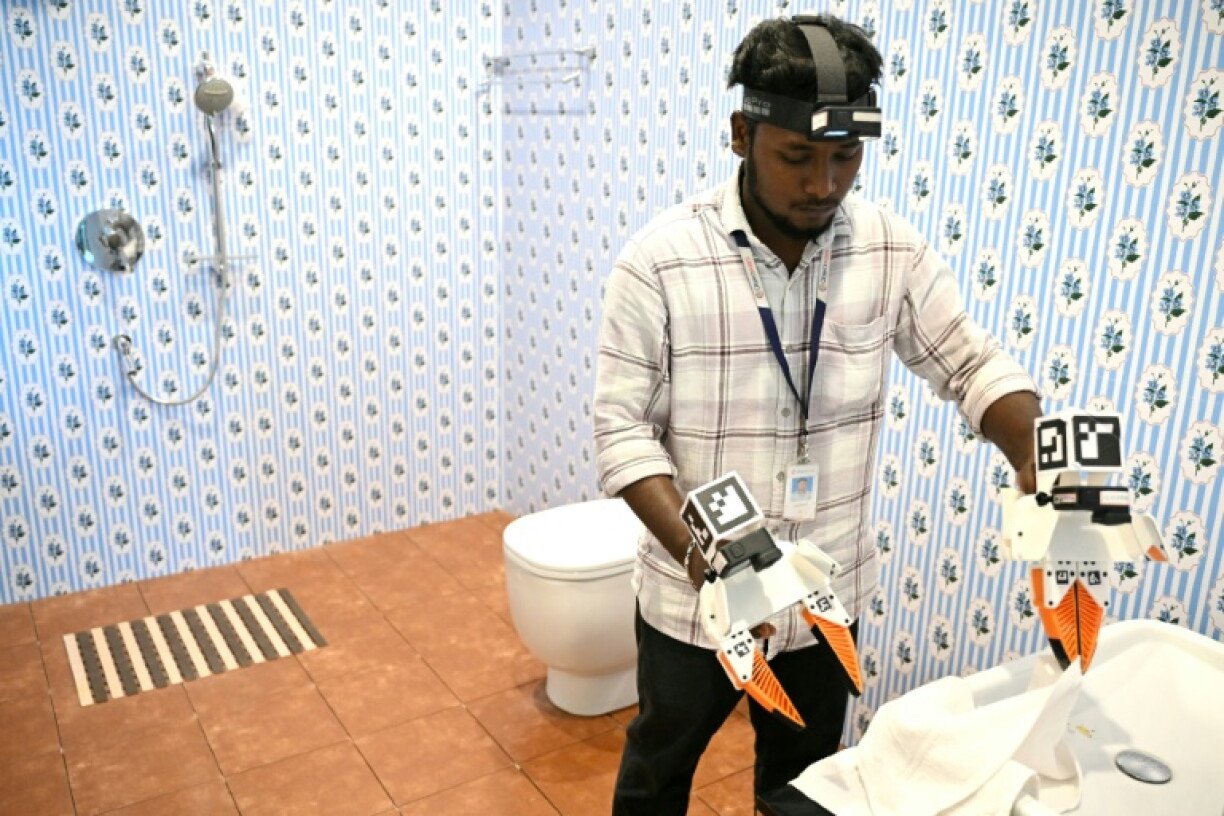
Some companies even build fake, fully furnished apartments just to give their workers variety. After a few thousand hours of filming in the same living room, they change the wallpaper. They need the robots to recognize that a cup can be placed on a blue wall just as easily as a red one. The pursuit of perfect data is relentless.
The Automation Paradox for Informal Workers
Here is where the story takes a darker turn. India positions itself as a global hub for AI data processing. This emerging field provides temporary employment for hundreds of thousands of informal workers. But the end goal of this technology is to eliminate the need for human labor altogether.
Government think-tanks in India have started sounding the alarm. They point out that most discussions about AI job losses focus on white-collar professionals. Very little attention is paid to the 490 million informal workers who form the backbone of the economy. These are the cobblers, the sewer cleaners, the farmers, and the tea sellers.
Consider a 55-year-old woman in Bengaluru who has spent the last decade making flower garlands on a roadside. She recently earned extra cash by wearing a camera to record her craft. She knows exactly what her footage is being used for. She also knows that the next generation might not have the luxury of doing that work at all.
Sound familiar? You have probably seen this exact script play out before. The people who build the railroads rarely get to ride in the first-class carriages. They just lay the tracks and watch the train roll past.
The Global Supply Chain of Human Motion
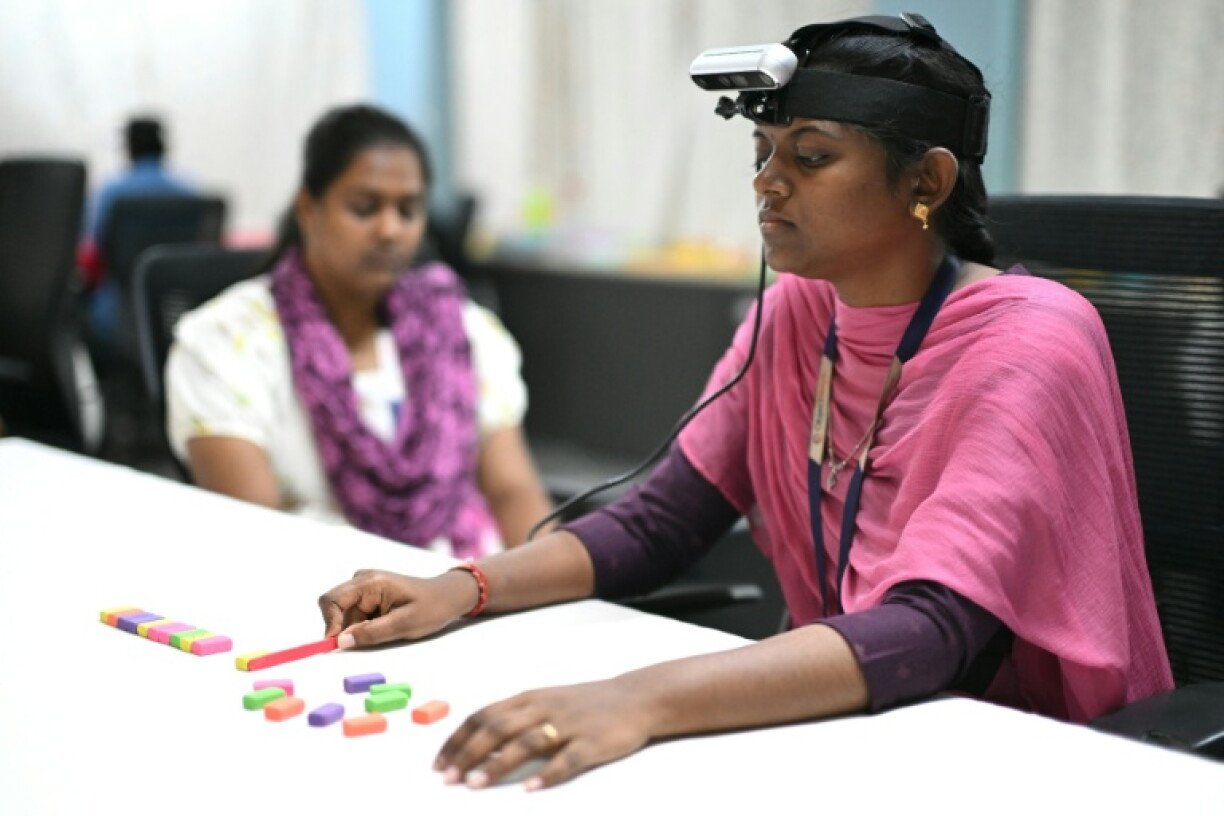
This isn't just a localized issue. It's a massive, decentralized global supply chain. US-based CEOs hire workers in Tamil Nadu. Subcontractors in Andhra Pradesh supply recordings to a dozen larger data firms. Contributors wear motion-sensor bands on their wrists, hands, and legs to capture the subtle mechanics of human joints.
Other companies focus on speech patterns. They pay people to sit in rooms and discuss assigned topics, ranging from local politics to global entertainment. The goal is to map the cadence, emotion, and context of human conversation. Every nod, every hand gesture, and every sigh is being quantified and sold to the highest bidder.
The sheer scale of this operation is staggering. Thousands of workers across multiple countries are essentially acting as the sensory organs for machines that do not yet exist. They are teaching robots how to see, how to hear, and how to move, all for a fraction of the value that the final product will generate.
What Happens When the Robots Graduate?
The tech industry loves to talk about a future where humans and machines work side by side. Some founders argue that a welder in India could eventually manage a robotic welder in Prague. It's a nice thought. It assumes that the transition will be smooth and that the displaced workers have the resources to retrain for these new managerial roles.
But moving from folding towels in a mock apartment to managing international robotics requires a massive leap in education and infrastructure. The current pay rate for data collection does not exactly fund a university degree. The gap between the tech giants reaping the profits and the workers filming their daily chores will only widen as the technology matures.
We are standing at a crossroads. The data being collected right now will define how robots interact with our world for the next decade. If the industry does not address the economic realities of the people providing this data, it risks building a future that leaves the majority of the global workforce behind.
As the demand for physical data grows, you have to ask who actually benefits from this revolution. Are we building tools to elevate human labor, or are we just recording its final days?